
For Smart Home Installers
Grow Your Business
with Voldeno
A modular building automation system with no single point of failure and no cloud dependency. A visual logic designer with a rich library of ready-made blocks, Volang when you need full control, and AI-assisted custom block creation. No coding required.
Why installers choose Voldeno
No Single Point of Failure
Every module operates independently. Hub failure doesn't bring down the system. Logic executes in a distributed manner across modules.
No Cloud Required
100% local processing. Cloud is optional for remote access. The system is fully operational offline.
No Firmware Updates for New Logic
New Logic Blocks are delivered without firmware updates. Deploy new automations without touching module firmware.
No Coding Required
Drag & drop Logic Blocks for standard setups. Volang programming language available for advanced scenarios.
Built around AI
You describe the behaviour. The assistant assembles the rest.
We wrote our own language and virtual machine so that nobody using Voldeno has to program. You say how the building should behave, the assistant reads what is already there, explains what it intends to change, and waits for your approval. Configuration that used to take days now fits into a conversation.
Describe what the client asked for
An ordinary sentence, in the open project. You do not need to know the whole block library or remember how this house was built two years ago.
See what changes before it changes
The assistant explains what it proposes and why. Ask questions, ask for a different approach, or reject it outright. Without your approval the project stays untouched.
Try it on a copy of the installation
The same virtual machine runs in Studio and on the modules, so what worked in simulation behaves the same way in the switchboard.
You do not need to know the library
There are hundreds of blocks and new ones keep arriving. The assistant knows them all and picks for you, so a new hire is productive on day one instead of after months of training.
No block? The assistant writes it
A heat pump, inverter, gate drive or alarm panel stops being a reason to drop a feature. The assistant writes the integration and proves it in simulation straight away.
Ask the installation you inherited
Connect to a house you have never seen and ask why it behaves the way it does. The assistant traces the dependencies and shows you what drives them.
A mistake cannot stop the building
Every script runs isolated on the VolangVM and at worst stops itself. That is why we can let the assistant write logic at all.
It flags what is unfinished
In a large project it is easy to miss something. The assistant flags anything configured but never connected, so gaps surface before commissioning rather than after it.
Fewer trips to site
Adding a device or changing a scenario starts with a question about how the installation works and ends with a change proven before deployment.
Technical Architecture
Voldeno Bus uses CAN-FD: hardware-level error detection, automatic isolation of faulty nodes, and arbitration designed for demanding field bus installations.
Distributed Logic
Logic Blocks run directly on modules where possible, not on a central controller. A failure of one component doesn't stop the rest of the system.
Module-to-Module Communication
Modules communicate directly over Voldeno Bus. No routing through a central unit.
Fault Tolerance
Each module is autonomous. System continues operating even if individual components fail.
Technologies
Integration Protocols
How It Works
Install Modules
Mount DIN-rail modules in the electrical panel. Easy daisy-chaining with built-in termination. No jumpers or resistors.
Configure in Studio
Design automation logic with drag & drop Logic Blocks in Voldeno Studio. Test with built-in simulation before deployment.
Hand Over to Client
Client controls their home via the Voldeno app and wall switches. You provide ongoing support and maintenance.
Business Benefits
Hardware Margins
Earn margins on every module you sell and install.
Recurring Revenue
Ongoing support, maintenance, and system expansion generate repeat business.
Fast Configuration
Ready-made Logic Blocks for common scenarios, Volang for advanced cases, and AI-assisted custom block creation. No coding required.
Remote Configuration
Configure and troubleshoot installations remotely via Voldeno Cloud. Reduce on-site visits.
Tools & Ecosystem
AI Assistant
Assembles logic from a plain-language description and explains an installation you have just connected to. Nothing changes without your approval.
DocumentationVoldeno Studio
Desktop IDE for designing automation logic. Drag & drop interface with Logic Blocks library.
DocumentationVolang
Proprietary programming language for advanced automations. Runs on VolangVM embedded in every module.
DocumentationLogic Blocks
Ready-made automation blocks delivered without firmware updates. Growing library of common patterns.
DocumentationHardware You Install
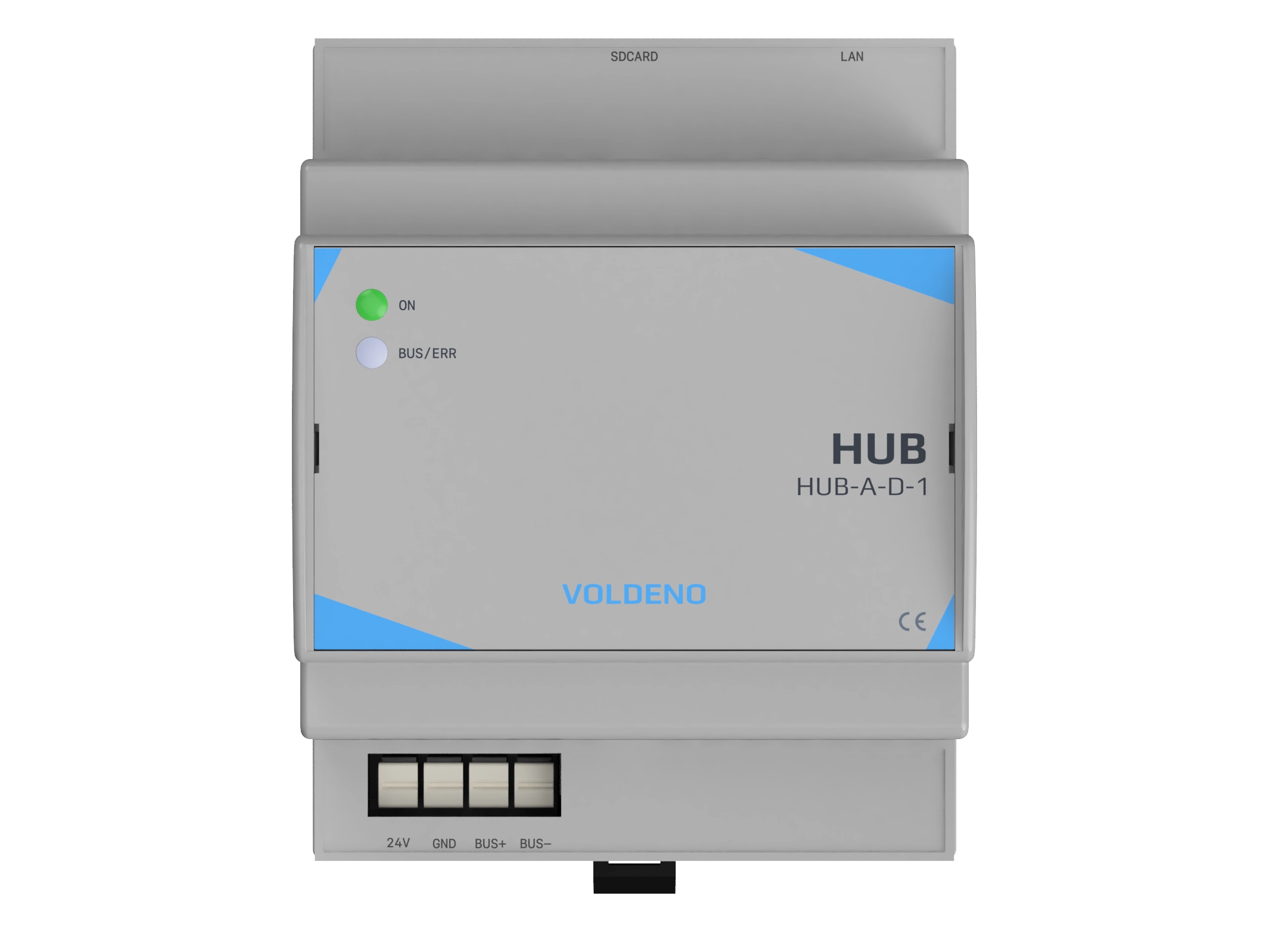
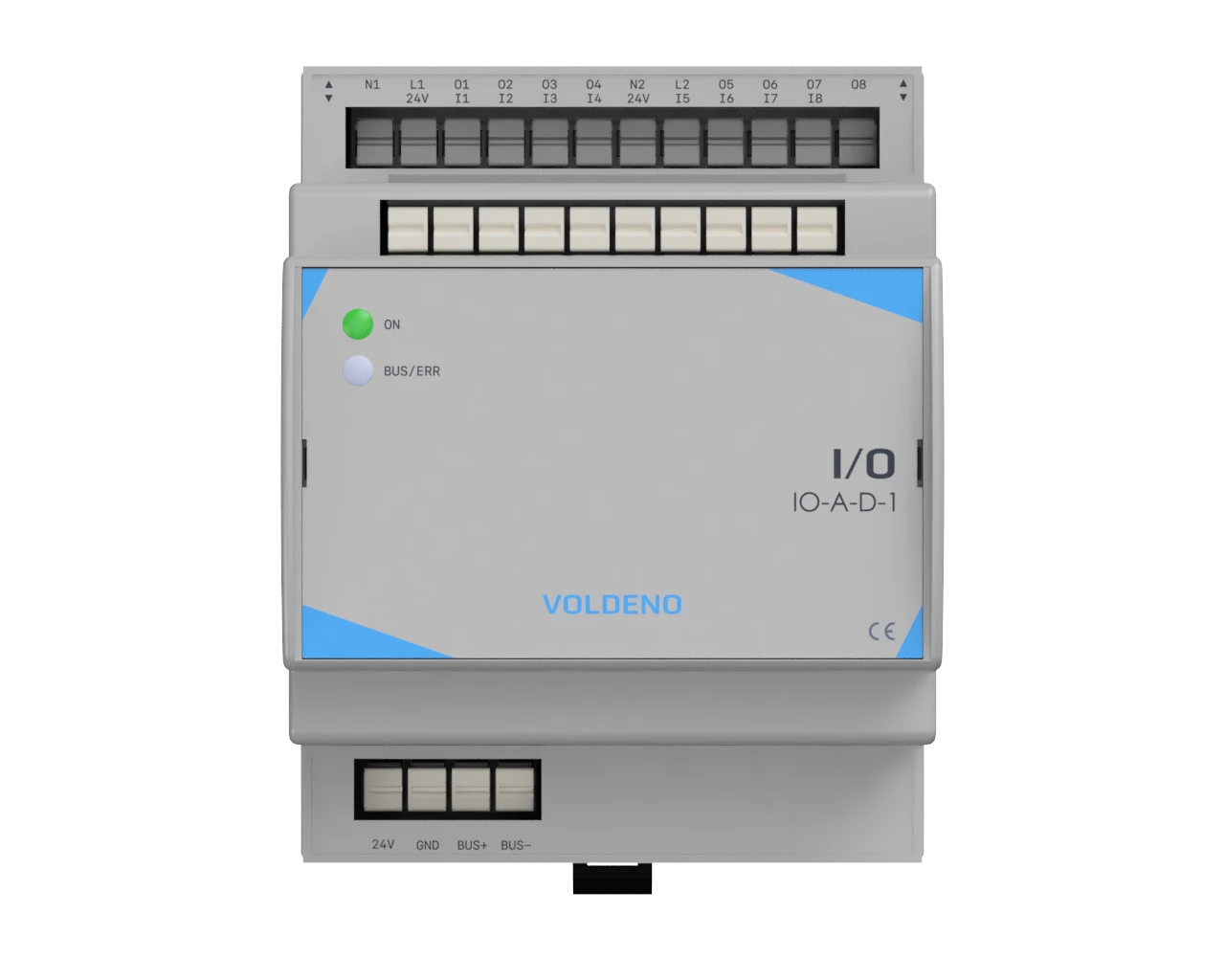
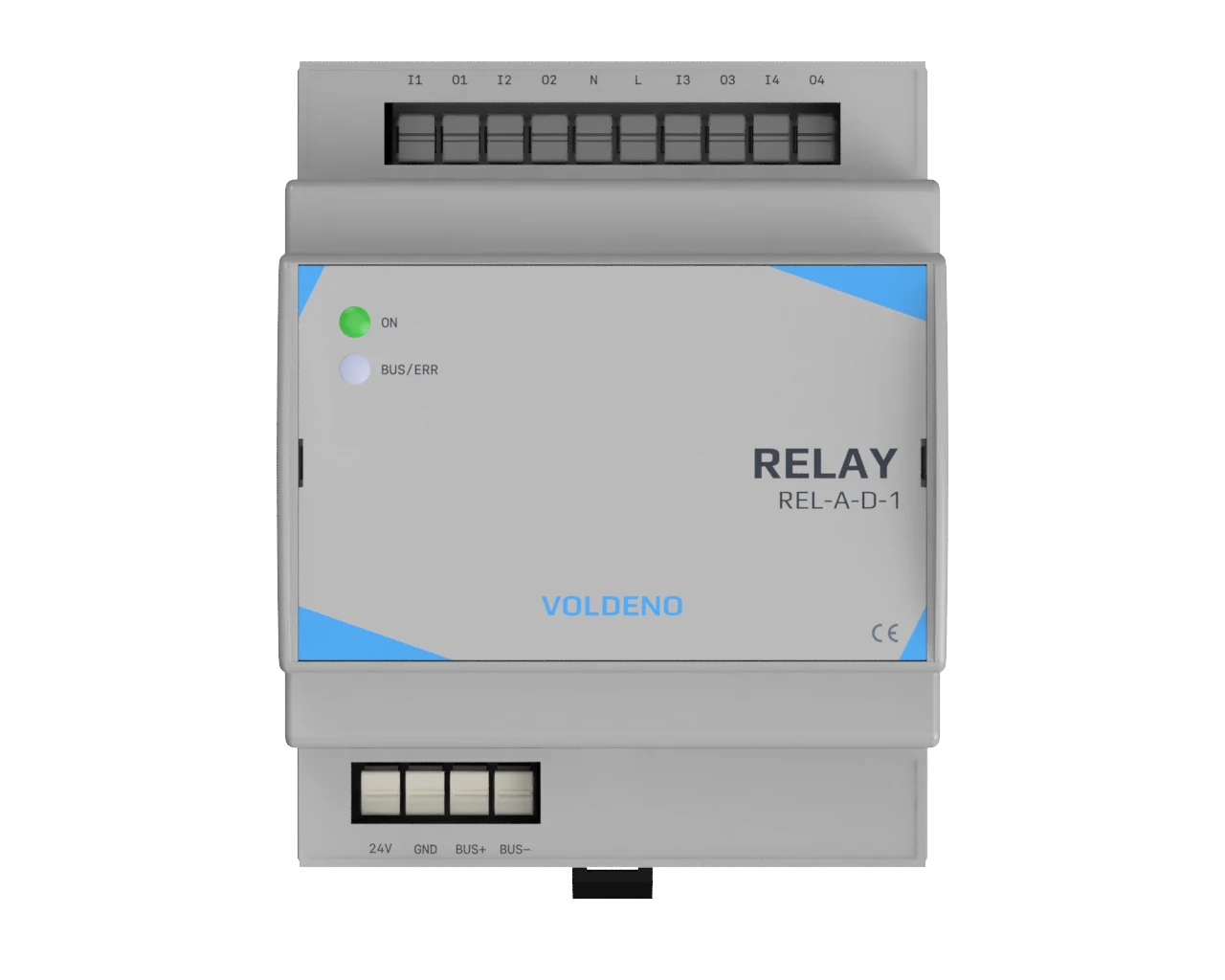
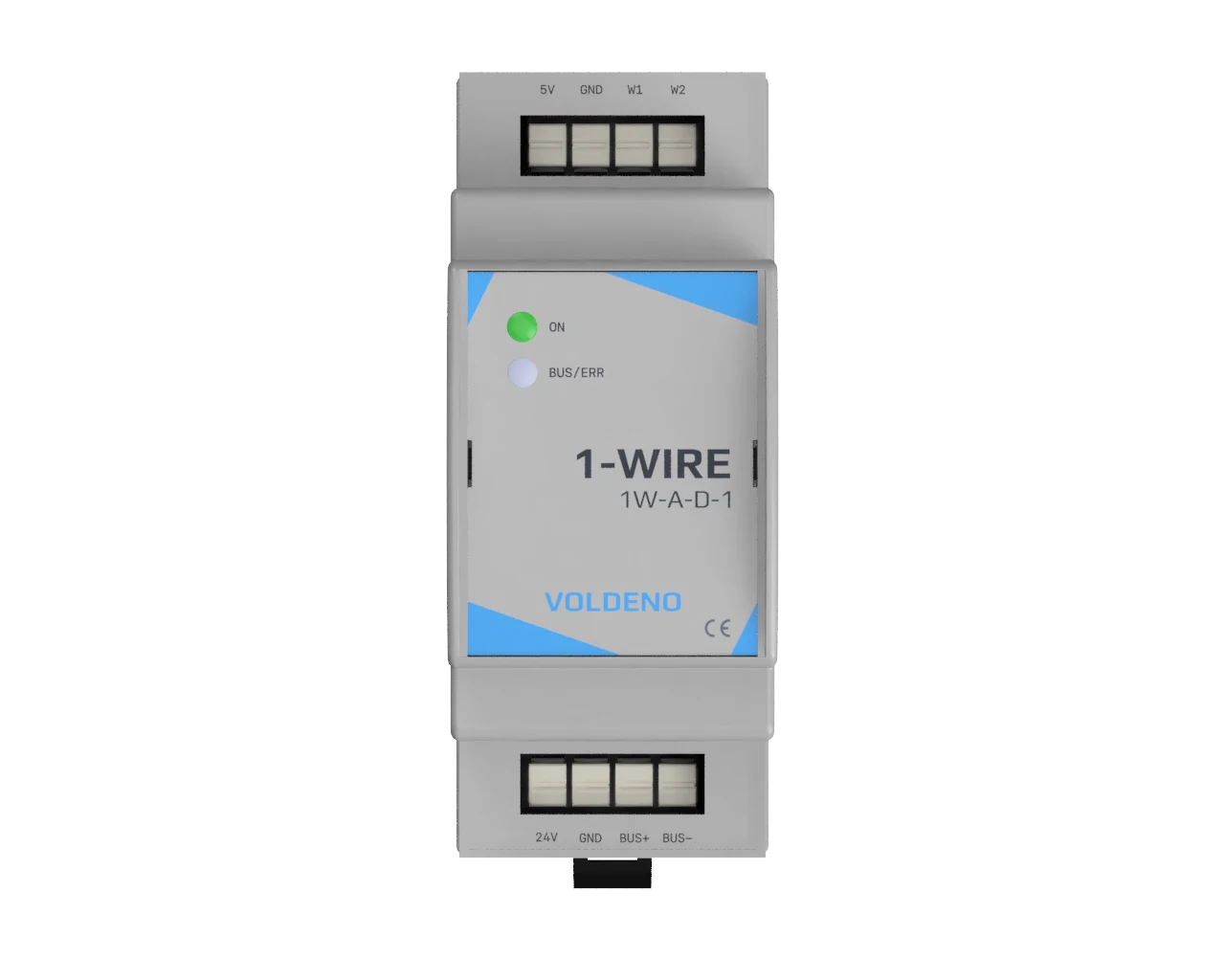
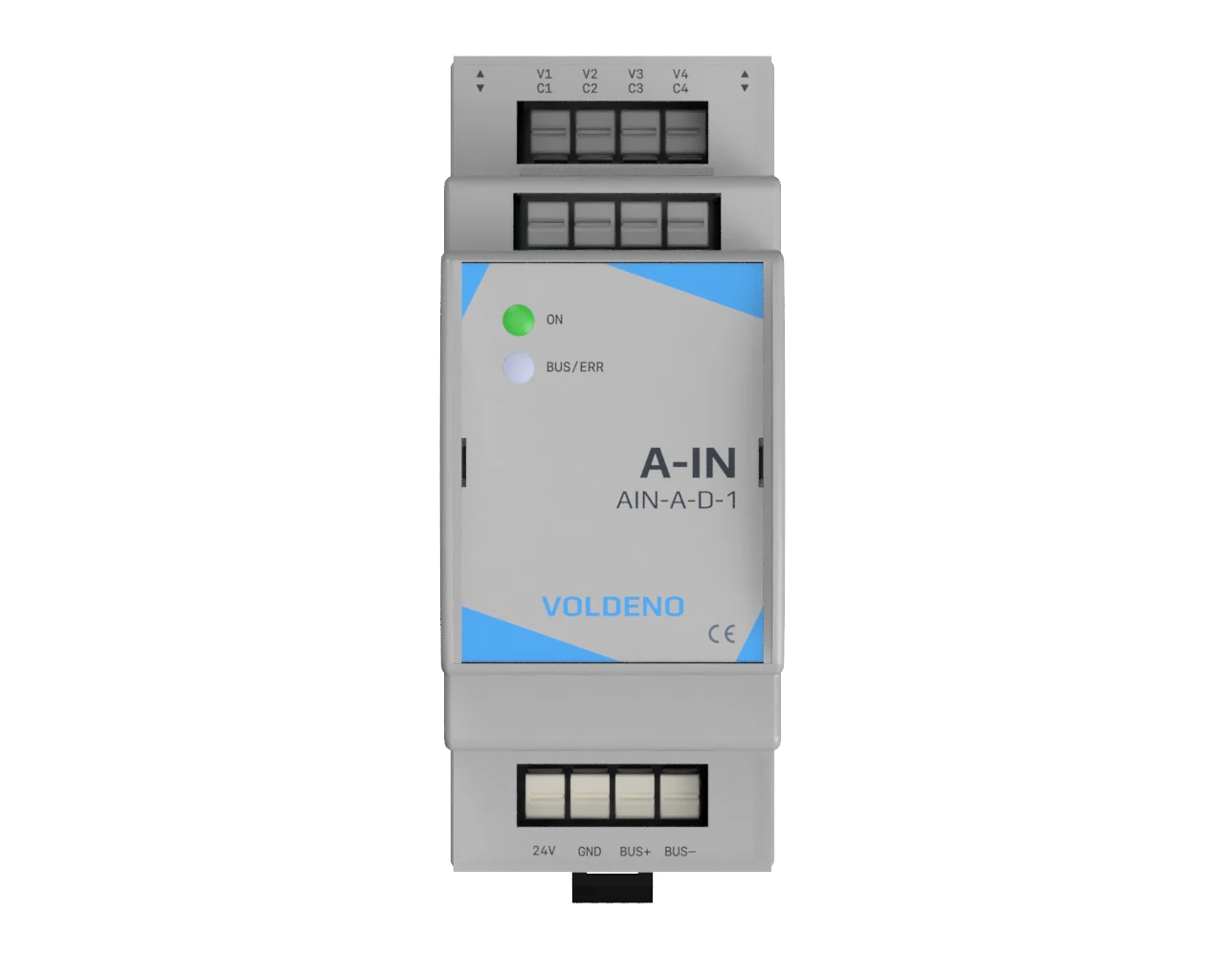
DIN-rail modules with built-in termination and auto-discovery.
Software
Design in Studio. Control with Mobile.
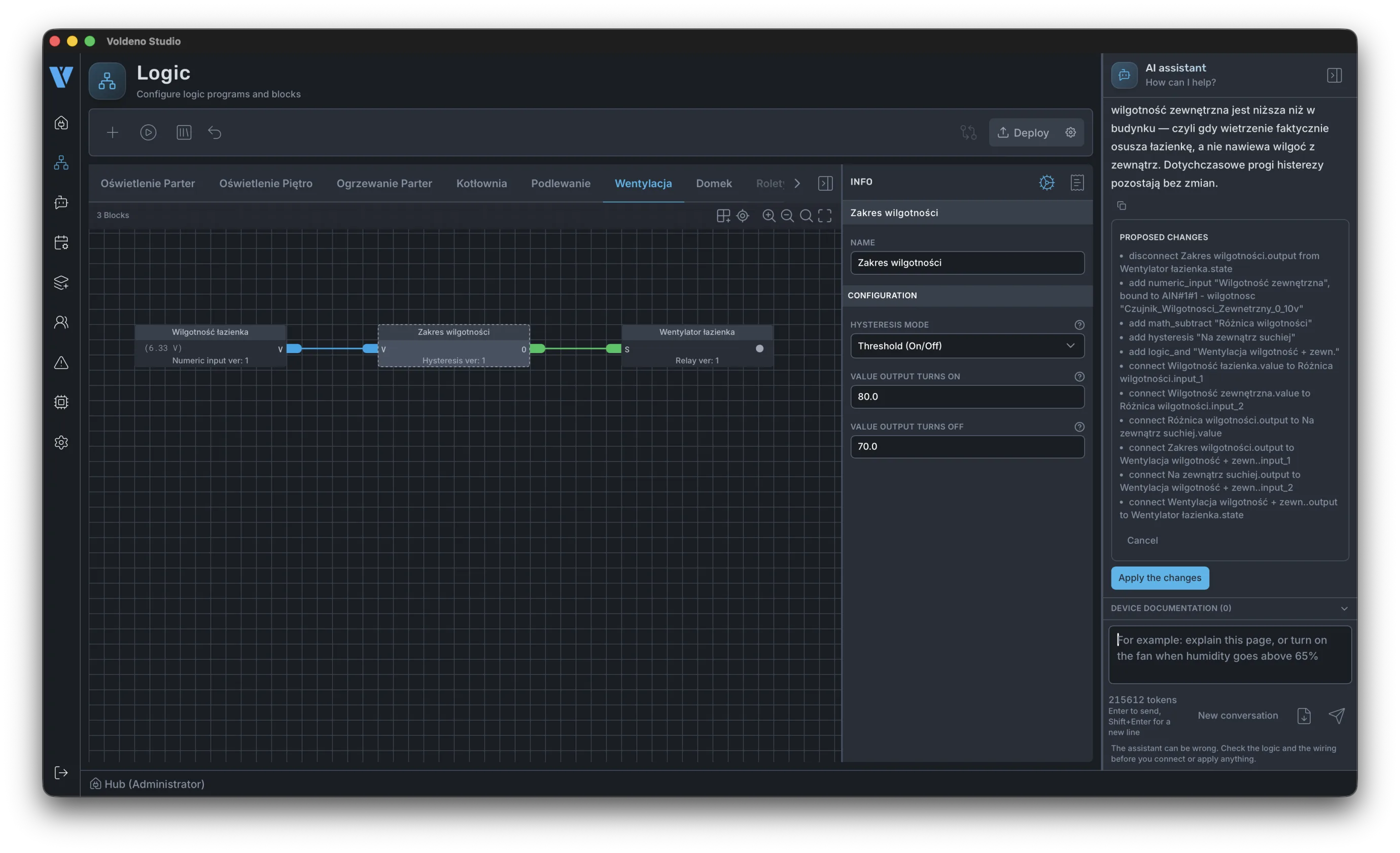
Voldeno Studio
Configure devices, build logic blocks visually, and deploy automations, all from your desktop.
- Visual drag & drop logic builder
- Real-time device monitoring
- One-click deploy to modules
- Backup & restore
Professional-Grade Capabilities
Remote Access
Configure and manage installations remotely via Voldeno Cloud
Testable
Test logic behavior before deployment. Simulation mode included.
Fast Installation
Easy daisy-chaining, built-in termination. No jumpers or resistors.
Logic Blocks
Drag & drop automations. New blocks delivered without firmware updates.
Future-Proof
New standards and modules integrated without replacing existing hardware.
Real-Time
Instant response with direct module communication over CAN-FD bus.
Voldeno vs Traditional Systems
| Voldeno | Traditional | |
|---|---|---|
| Single point of failure | No | Yes (central unit) |
| Cloud required | Optional | Usually required |
| Add new logic | No firmware update | Firmware update |
| Configuration | Drag & drop | Code/scripts |
| Building the logic | You describe, it assembles | Manual, by a specialist |
| Testing | Built-in simulation | Trial & error |
| Taking over someone else's project | Ask the installation | Depends on the original installer |
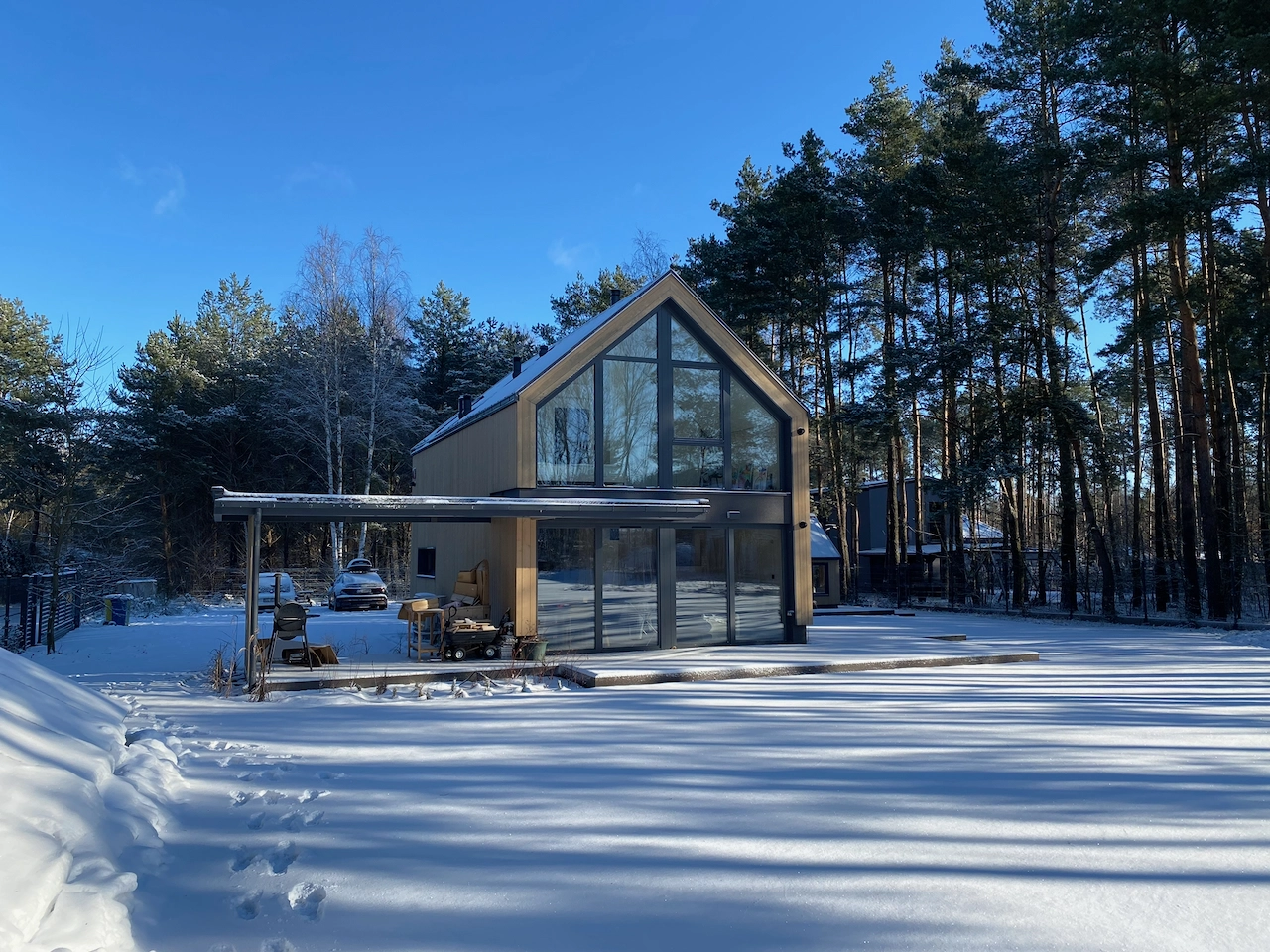
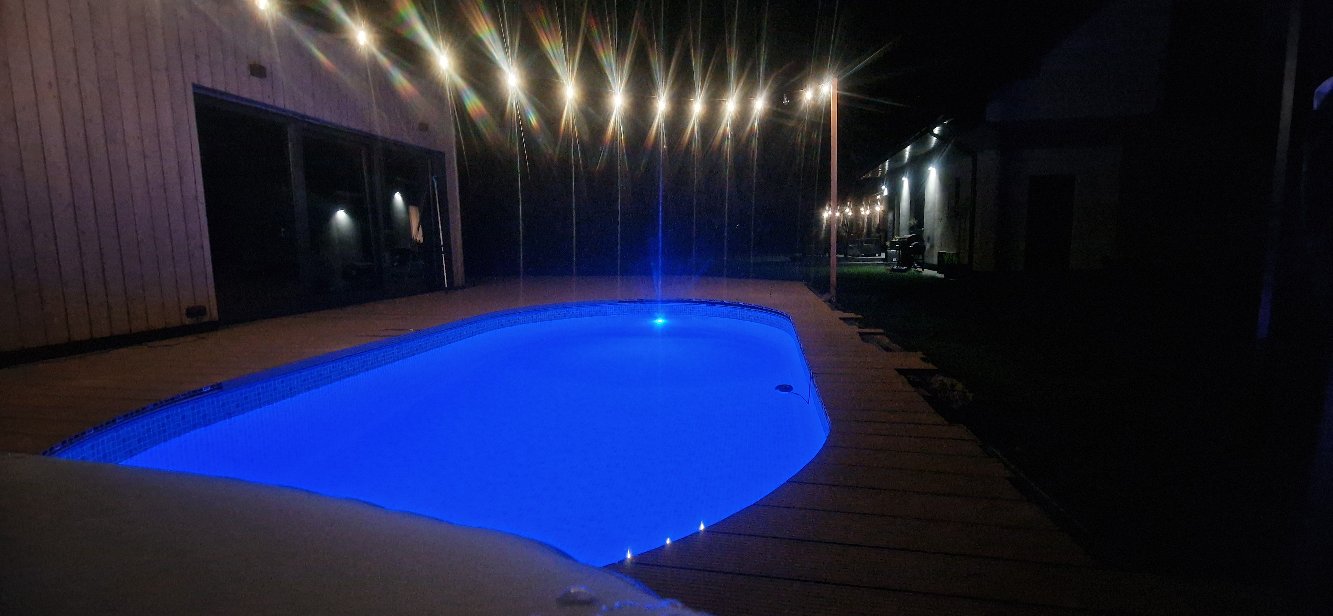
Reference projects
Installations delivered by our partner network
Frequently Asked Questions
? Does the AI assistant change my installation on its own?
No. It proposes, you decide. Before it does anything it explains what it intends to change and why, and nothing enters the project until you approve it. Deploying to the Hub stays a separate, explicit step.
? Can code written by the assistant damage a module?
No. Volang scripts run isolated on the VolangVM embedded in each module, with no reach outside their own space. A faulty script stops itself rather than the module or the rest of the bus. That isolation is the reason we can let an assistant write logic at all.
? What does the assistant know about my project?
It reads the project stored in the installation: modules on the bus, registers, logic blocks, connections and schedules. That is how it can explain the behaviour of a house you connected to five minutes ago, and how it spots what someone configured but never wired up.
? How long does training take?
The foundation course is one day on site, 10:00 to 16:00, with a break. Advanced training (Volang, custom blocks and integrations) will be a separate day; registration opens after the first foundation sessions.
? What margins can I expect on hardware?
Partner margins are competitive and scale with volume. Contact us for the detailed partner price list.
? Do I need to stock inventory?
No. You can order modules per-project. For faster turnaround, we offer consignment stock programs for active partners.
? How does remote support work?
Voldeno Cloud enables remote configuration and diagnostics. You can troubleshoot and update client installations without an on-site visit.
? What if a module fails on-site?
Modules are hot-swappable. Replace the faulty module, and the system auto-configures the replacement. No reprogramming needed.
? How is Voldeno different from other systems?
Many smart home systems rely on RS-485, a simple bus with no built-in error detection. Voldeno Bus uses CAN-FD, which provides hardware arbitration, error detection, and automatic fault isolation, plus higher throughput and 64-byte frames. Add distributed architecture with no single point of failure, no firmware updates for new logic, and our own automation language Volang.
Start with a one-day course at a demo case
Free foundation training in a group of 4–8. Architecture, wiring, Studio and the AI assistant. Certificate on completion.
Register for the free foundation course
Collect your certificate
Start your first installation